Book Categories:

One more story for the road?
Not sure where to begin? Compare xianxia, xuanhuan, and wuxia in our short reader’s guide. WholeSaga is preparing carefully edited, complete Chinese fantasy stories in English.
Book Categories:



The difference between sect and clan cultivation becomes clear when you ask who helps the protagonist train, and what that help costs. In a sect opening, a teacher or institution can offer lessons, assignments, and a route to advancement. In a clan opening, a family member can share resources or protection, creating an obligation that follows the protagonist even after the immediate problem is solved. A book can move between both settings as the character’s needs change.
The clearest comparison of sect vs clan cultivation novels for readers starts with a scene that changes who the protagonist can rely on. Compare that scene across two samples before reading a long list of tags. The WuxiaWorld genre glossary describes the schools and sects that recur in martial fantasy. WholeSaga’s disciple hierarchy guide explains the ranks you might encounter after a character joins one.
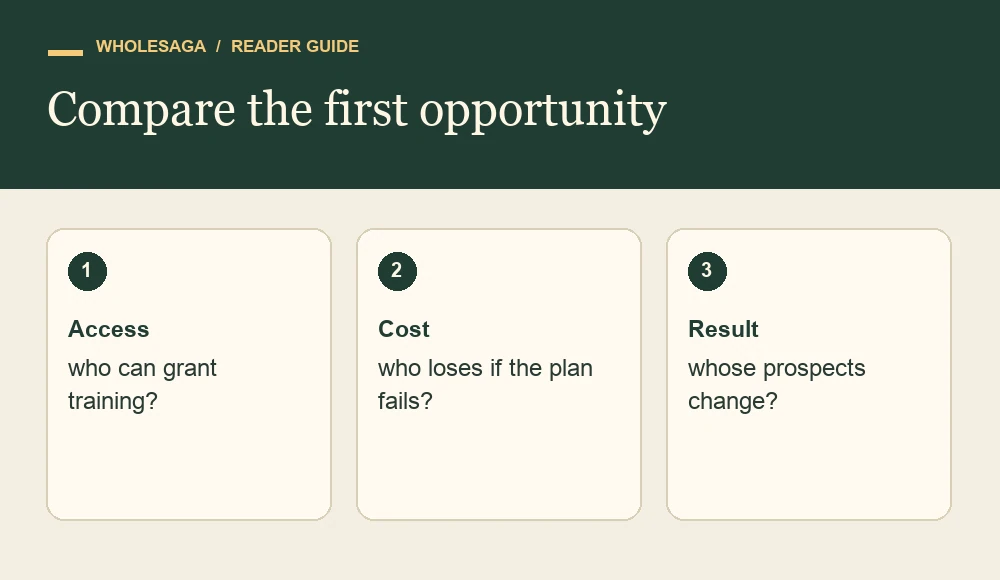
In the opening of Ascension through Beast Taming, Lin Jing begins in confinement and eventually encounters the Beast-Taming Sect. By the sample’s pet-selection scene, the sect can offer access to animals and training that he would struggle to find alone. The interesting question is how he chooses within those rules. Write down who presents the options and one reason his first choice matters. That can tell you more about the book’s pace than counting cultivation ranks.
A clan story often makes resources feel personal earlier. If an elder funds training, the reader can ask which branch of the family benefits and who needs that help next. The pressure can build around choices at home: which relative receives an opportunity, who has to provide care, or what happens when the most promising family member wants to leave.
Clan Cultivation: Rising from Beast Taming invites readers to follow Zhou Chun alongside the Zhou clan. Read its sample for one exchange that has consequences beyond Zhou Chun. A promise made to a relative, a duty accepted on the family’s behalf, or a dispute over a limited resource can make progress satisfying at two scales. The protagonist gains a choice while the clan becomes more capable, more vulnerable, or more indebted.
The same framework can work when a sect acts like a household or a clan runs an academy. In those cases, look at how membership is acquired and what support would disappear if the protagonist walked away. An assigned mentor, a family promise, and a contract can lead to different consequences even if they all grant access to the same training room.
| Question for both samples | What to write down |
|---|---|
| Who gets the protagonist into the first training opportunity? | The person or institution, plus the reason they help |
| Who pays if the protagonist fails? | The person who loses resources, status, or trust |
| What feels satisfying at the end of a scene? | Recognition by a teacher, progress for a relative, or another visible change |
Use the finished comparison to choose the opening that made you curious. If you want to see someone navigate ranks, mentors, and assignments, begin with the sect sample. If you keep thinking about who inherits a responsibility and whether the family can afford it, begin with the clan sample. If both work for you, use the completed-novel checklist to confirm which edition you want to read next.